
Manual Handling Training in Aged Care: A Comprehensive Plan
Effective training is crucial for aged care staff, addressing musculoskeletal disorder risks and ensuring compliance with the Aged Care Act 1997 and WHS regulations.
Manual handling within aged care encompasses a wide range of tasks, frequently involving the movement and support of residents with varying levels of mobility; This includes assisting with transfers, lifting, repositioning, and aiding with toileting – all activities carrying inherent risks for both caregivers and those receiving care. The prevalence of musculoskeletal disorders (MSDs) among aged care workers is notably high, directly linked to these physically demanding duties.
Therefore, a robust understanding of safe manual handling principles is paramount. Effective training isn’t merely about technique; it’s about fostering a safety culture, recognizing hazards, and proactively mitigating risks within the care environment, ultimately optimizing resident mobility and well-being.
The Importance of Training
Comprehensive manual handling training is fundamentally important in aged care, directly impacting worker health, resident safety, and organizational compliance. It equips staff with the knowledge and skills to minimize the risk of musculoskeletal disorders (MSDs), a significant concern within the industry.
Proper training demonstrates adherence to the Work Health and Safety (WHS) Act and Aged Care Accreditation Standards, potentially assisting assessors in evaluating resident mobility optimization. Beyond legal requirements, it fosters a culture of care, promoting respectful and safe interactions, and enabling personalized assistance that enhances resident comfort and dignity.
Legal and Regulatory Framework
A robust legal and regulatory framework underpins manual handling training in aged care, primarily driven by the Work Health and Safety (WHS) Act. This legislation mandates employers to provide a safe working environment, including adequate training to minimize risks associated with handling residents.
Furthermore, the Aged Care Act 1997 and its associated Accreditation Standards emphasize the importance of optimizing resident mobility and safety. Compliance is demonstrated through documentation and assessment, where training records play a vital role. Employees also have legal obligations to report incidents and hazards, contributing to a proactive safety culture.
Aged Care Act 1997 & Accreditation Standards
The Aged Care Act 1997 significantly influences manual handling practices through its accreditation standards, specifically focusing on resident wellbeing and staff safety. Assessors evaluate facilities on their ability to optimize resident mobility, which is directly linked to effective manual handling techniques and appropriate environmental design.
A tool quantifying how well the environment supports individual resident needs regarding mobility would greatly assist assessors, overcoming limitations of documentation and site visit constraints. Demonstrating compliance requires robust training programs and documented evidence of staff competency in safe manual handling procedures, ultimately enhancing care quality.
Work Health and Safety (WHS) Act Responsibilities
The Work Health and Safety (WHS) Act places clear responsibilities on both employers and employees regarding manual handling in aged care settings. Employers must provide a safe working environment, including appropriate training, equipment, and risk assessments to minimize musculoskeletal disorder (MSD) risks.
Employees, conversely, are obligated to take reasonable care for their own health and safety, as well as that of their colleagues and residents. This includes actively participating in training, reporting incidents or hazards, and utilizing safe manual handling techniques. Adherence to the WHS Act is paramount for legal compliance and ethical care.
Understanding Musculoskeletal Disorders (MSDs)
Musculoskeletal Disorders (MSDs) are a significant concern within the aged care industry, frequently linked to the physically demanding nature of the work. These disorders affect muscles, nerves, tendons, ligaments, joints, cartilage, and spinal discs, causing pain, discomfort, and functional limitations.
The manual handling of people, a core task in aged care, is a known contributor to a high incidence of MSDs among staff. Understanding the causes, symptoms, and preventative measures for MSDs is crucial for protecting worker wellbeing and ensuring the delivery of quality care. Early recognition and intervention are key.

Common MSDs in Aged Care Workers

Aged care workers frequently experience a range of Musculoskeletal Disorders (MSDs) due to repetitive tasks and physically demanding resident care. Lower back pain is exceptionally prevalent, stemming from lifting, transferring, and repositioning residents. Shoulder disorders, including tendinitis and bursitis, are also common, often caused by reaching and assisting with mobility.
Furthermore, wrist and hand injuries, like carpal tunnel syndrome, can arise from repetitive movements. Neck pain and strains are also reported. Recognizing these common MSDs allows for targeted preventative strategies and early intervention, minimizing long-term health impacts for caregivers.

Risk Factors Contributing to MSDs
Several factors elevate the risk of MSDs for aged care workers. Repetitive movements, such as lifting and transferring residents, are a primary contributor. High forces exerted during these tasks, combined with awkward postures, significantly increase strain. Insufficient training on proper manual handling techniques exacerbates these risks.
Environmental factors, like poorly designed workspaces or inadequate equipment, also play a role. Individual factors, including pre-existing conditions and physical fitness levels, can influence susceptibility. A lack of communication during team handling and insufficient rest breaks further contribute to MSD development.
Principles of Safe Manual Handling
Safe manual handling prioritizes minimizing risk to both caregiver and resident. Maintaining a stable base of support is fundamental, keeping the load close to the body reduces strain. Avoiding twisting and bending at the waist, instead using leg muscles for lifting, is crucial.
Planning the lift, assessing the load’s weight and center of gravity, and ensuring a clear pathway are essential steps. Effective communication with team members during assistance is paramount. Regular breaks and proper posture contribute to preventing fatigue and injury. Prioritizing resident comfort and dignity throughout the process is also key.
Body Mechanics & Posture
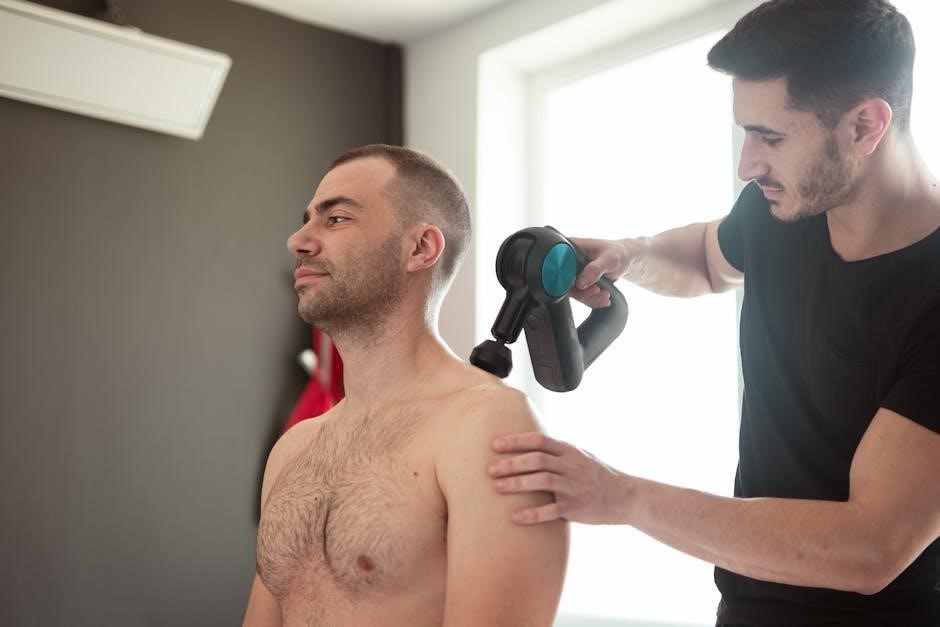
Proper body mechanics are the cornerstone of safe manual handling in aged care. Maintaining a straight back, engaging core muscles, and bending at the knees, not the waist, are vital. Feet should be shoulder-width apart for a stable base.
Avoid reaching or twisting while lifting; reposition feet to change direction. Keep the load close to the body to minimize strain on the back. Good posture throughout the task, even when not actively lifting, reduces fatigue. Awareness of personal limits and seeking assistance when needed are crucial components of safe practice.
Load Assessment Techniques
Before any manual handling task, a thorough load assessment is essential. This involves evaluating the weight, size, and shape of the ‘load’ – which includes residents during transfers. Consider the distance the load needs to move, the height it must be lifted to, and the presence of any obstructions.
Assess the resident’s ability to assist, their weight distribution, and any limitations they may have. Identify potential risks, such as uneven surfaces or slippery floors. If the assessment reveals a high-risk situation, utilize assistive devices or seek team assistance to ensure safety.
Team Handling & Communication
Effective team handling relies heavily on clear and concise communication. Before initiating a transfer or repositioning, designate a team leader to coordinate movements and provide instructions. Brief all team members on the plan, including the resident’s capabilities and any specific precautions.
Use standardized terminology to avoid misunderstandings. Maintain constant communication throughout the task, providing feedback and adjusting the plan as needed. Synchronized movements are vital; a count-down before lifting ensures everyone acts simultaneously, minimizing strain and maximizing safety for both staff and residents.
Specific Manual Handling Tasks in Aged Care
Aged care presents unique manual handling challenges requiring specialized training. Assisting with mobility, including transfers between bed, chair, and toilet, demands careful assessment of resident’s abilities and appropriate techniques. Lifting and lowering residents necessitates proper body mechanics and, where possible, the use of assistive devices like hoists.
Repositioning residents in bed to prevent pressure injuries requires gentle movements and frequent adjustments. Assisting with toileting involves supporting residents safely and maintaining their dignity. Training must cover these tasks, emphasizing resident-centered care and minimizing risk for both parties.
Assisting with Mobility (Transfers)
Safe resident transfers are paramount in aged care, demanding thorough training. Assessments must precede each transfer, considering the resident’s strength, balance, and cognitive ability. Staff should utilize transfer aids – belts, slide sheets – when appropriate, prioritizing resident comfort and dignity.
Proper communication is vital; explain the process clearly and obtain resident cooperation. Techniques like pivoting and sliding minimize strain on both caregiver and resident. Training should emphasize avoiding twisting and bending, maintaining a stable base of support, and seeking assistance when needed to prevent injuries.
Lifting and Lowering Residents
Lifting and lowering residents requires specialized training to mitigate risks. Prior assessment of resident’s capabilities and the load’s weight is essential. Staff must employ correct body mechanics – back straight, knees bent, core engaged – to prevent strain.
Avoid reaching or twisting during lifts. Utilize assistive devices like hoists whenever possible, ensuring proper sling selection and secure attachment. Team lifting is crucial for heavier residents, with clear communication and coordinated movements. Training should emphasize the importance of minimizing lifting distances and lowering residents slowly and controlled.

Repositioning Residents in Bed
Regular repositioning is vital for resident comfort and preventing pressure injuries, but poses manual handling challenges. Training must cover techniques for safe turning, rolling, and assisting residents to sit up in bed. Assess each resident’s mobility and support needs before repositioning.
Utilize draw sheets and sliding aids to reduce friction and strain. Encourage resident participation whenever feasible. Team lifting is often necessary, demanding synchronized movements and clear communication. Proper bed height adjustment minimizes bending and reaching for caregivers, reducing risk of musculoskeletal disorders.

Assisting with Toileting
Assisting residents with toileting frequently involves significant manual handling, demanding careful technique to protect both caregiver and resident. Training should emphasize assessing a resident’s ability to assist, utilizing appropriate equipment like commodes or bedpans, and maintaining dignity throughout the process.
Proper transfer techniques to and from the toilet are crucial, including safe use of gait belts. Staff must understand how to support residents with limited mobility, preventing falls and minimizing strain. Clear communication and a calm approach are essential. Reporting any difficulties or changes in a resident’s toileting habits is also vital.
Equipment & Assistive Devices
Utilizing equipment and assistive devices is paramount in reducing manual handling risks within aged care settings. Comprehensive training must cover various tools, including hoists, slide sheets, and adjustable beds, detailing their proper application and limitations. Staff need to understand how to select the appropriate device based on resident needs and task requirements.
Safe operation, pre-use inspection protocols, and routine maintenance are critical components of training. Emphasis should be placed on understanding load limits and ensuring devices are correctly fitted and functioning. Regular checks contribute to preventing equipment failure and ensuring resident safety during transfers and repositioning.
Types of Lifting Equipment (Hoists, Slides)
Hoists are essential for full or partial weight-bearing transfers, offering varying sling types for different resident needs and levels of support. Training must cover hoist assembly, sling selection, safe lifting/lowering techniques, and emergency procedures. Slide sheets minimize friction during lateral transfers and repositioning, reducing shear forces on the skin.
Proper instruction includes understanding weight limits, sling integrity checks, and the importance of clear communication during operation. Staff must practice using equipment under supervision before independent application. Regular equipment maintenance and inspection are vital for safe and effective use, preventing potential injuries to both residents and caregivers.
Using Assistive Devices Safely
Safe utilization of assistive devices demands comprehensive training, emphasizing pre-use checks for functionality and damage. Staff must understand weight capacities, proper application techniques, and potential hazards associated with each device – hoists, slides, or transfer belts. Clear communication with residents throughout the process is paramount, ensuring their comfort and cooperation.
Training should incorporate practical scenarios, focusing on adapting techniques to individual resident needs and limitations. Regular refresher courses reinforce best practices and address emerging safety concerns. Prioritizing resident dignity and minimizing strain on both parties are key principles when employing assistive devices in aged care settings.
Equipment Maintenance & Inspection
Regular maintenance and meticulous inspection of lifting equipment are non-negotiable for resident and staff safety. A documented schedule outlining routine checks – straps, slings, brakes, and electrical components – is essential. Staff must be trained to identify defects, immediately removing damaged equipment from service and reporting it promptly.
Preventative maintenance, conducted by qualified personnel, extends equipment lifespan and minimizes malfunctions. Detailed records of inspections, repairs, and servicing demonstrate compliance with safety standards and accreditation requirements. Proper storage when not in use protects devices from damage and ensures readiness for immediate deployment when needed.
Developing a Manual Handling Training Program
A robust program begins with a thorough needs assessment, identifying specific manual handling tasks and associated risks within the aged care setting. Training objectives should directly address these risks, focusing on safe techniques for assisting with mobility, lifting, and repositioning residents.
Content delivery should blend theoretical knowledge with practical, hands-on sessions. Utilize diverse methods – workshops, demonstrations, and simulated scenarios – to cater to different learning styles. Competency assessment, including observed performance, verifies skill acquisition and ensures staff can apply learned principles safely and effectively, leading to certification.
Needs Assessment & Training Objectives
A comprehensive needs assessment is paramount, pinpointing prevalent manual handling tasks and identifying specific risk factors within the aged care facility. This includes analyzing incident reports, observing work practices, and gathering feedback from staff regarding challenges encountered during resident handling.
Training objectives must directly correlate with identified needs, aiming to reduce musculoskeletal disorder incidence among staff. Objectives should focus on proper body mechanics, safe transfer techniques, effective use of assistive devices, and adherence to WHS protocols, ultimately optimizing resident mobility and safety.
Training Content & Delivery Methods
Core content should encompass principles of safe manual handling, including body mechanics, load assessment, and team handling techniques. Specific modules must address common aged care tasks like assisting with mobility, lifting, repositioning, and toileting, emphasizing resident dignity and comfort.
Delivery methods should be varied – incorporating practical, hands-on sessions with simulated scenarios, alongside theoretical components. Utilizing visual aids, videos, and interactive workshops enhances engagement. Regular refresher courses and updates on best practices are vital, ensuring sustained competency and proactive hazard management.
Competency Assessment & Certification
Robust assessment is paramount, moving beyond theoretical knowledge to practical application. This includes observed performance of manual handling tasks, demonstrating correct techniques and safe practices with simulated residents or equipment. Assessments should evaluate understanding of risk factors, load assessment, and appropriate use of assistive devices.
Successful completion warrants certification, validating competency and adherence to standards. Records of training and assessment must be meticulously maintained for auditing and compliance purposes, supporting aged care accreditation. Periodic re-certification ensures ongoing proficiency and commitment to safe manual handling protocols.
Environmental Considerations for Safe Handling
Optimizing the physical environment significantly reduces manual handling risks for caregivers. This involves assessing and adjusting room layouts to maximize space for maneuvering and minimizing obstructions. Furniture height, particularly seating, should facilitate safe resident transfers, aiding sit-to-stand movements and reducing strain.
Proactive hazard identification and mitigation are crucial – addressing slip, trip, and fall risks through appropriate flooring, lighting, and clear pathways. A well-maintained environment demonstrates a commitment to staff and resident safety, contributing to a culture of preventative care and regulatory compliance.
Optimizing Room Layout & Furniture Height
Strategic room arrangement is paramount for safe manual handling practices. Sufficient clear space allows caregivers to move freely during resident transfers and repositioning, minimizing awkward postures and strain. Decluttering eliminates trip hazards and ensures unobstructed access to assistive devices.
Critically, furniture height – beds, chairs, and commodes – should support safe sit-to-stand transfers. Appropriate heights reduce the physical exertion required by both caregiver and resident, lessening the risk of musculoskeletal disorders. Regular assessment and adjustment of these elements are vital for a safe care environment.
Reducing Slips, Trips & Falls
Maintaining a hazard-free environment is fundamental to preventing injuries for both staff and residents. Promptly address and clean up any spills – liquids or solids – to eliminate slip hazards. Ensure adequate lighting throughout the facility, particularly in hallways and resident rooms, to improve visibility.
Regularly inspect flooring for damage or uneven surfaces, and address repairs immediately. Clear walkways of obstructions like equipment, cords, and personal belongings. Implementing a robust housekeeping schedule and promoting a culture of vigilance are essential for minimizing fall risks within the aged care setting.
Incident Reporting & Investigation
A comprehensive incident reporting system is vital for identifying trends and preventing future manual handling injuries. All incidents, including near misses, must be reported promptly and thoroughly, detailing the circumstances, contributing factors, and individuals involved.
Investigations should be conducted by a trained team to determine root causes, not just immediate triggers. Analyzing incident data allows for targeted interventions, such as revised training or equipment adjustments. The WHS Act mandates reporting, and findings should be shared to foster a learning culture and improve safety protocols within the aged care facility.
Procedures for Reporting Manual Handling Injuries
Clear, accessible procedures for reporting manual handling injuries are essential for employee safety and legal compliance. Staff must be trained on how to report incidents, including completing necessary forms and notifying supervisors immediately.
Reporting should encompass all injuries, regardless of severity, and near misses, to identify potential hazards. The process must ensure confidentiality and non-retribution for reporting. Adherence to the Work Health and Safety (WHS) Act is paramount, requiring prompt investigation and documentation of all reported incidents within the aged care setting.
Analyzing Incident Data to Prevent Recurrence
Thorough analysis of reported manual handling incidents is vital for proactive risk management. This involves identifying trends, root causes, and contributing factors, such as specific tasks, environmental conditions, or inadequate training.
Data analysis should inform improvements to manual handling procedures, equipment selection, and training programs; Quantifying mobility requirements, as suggested for aged care accreditation, aids in identifying systemic issues. Regular review of incident data, coupled with staff feedback, fosters a culture of continuous improvement and minimizes future injury risks within the facility.
The Role of Ongoing Education & Updates
Manual handling best practices evolve, necessitating continuous professional development for aged care staff. Initial training provides a foundation, but regular updates reinforce safe techniques and introduce new equipment or procedures.
Refresher courses should address incident trends identified through data analysis, ensuring lessons learned are integrated into practice. Staying current with WHS Act requirements and Aged Care Act accreditation standards is crucial. Ongoing education fosters a proactive safety culture, empowering staff to confidently handle residents while minimizing musculoskeletal disorder risks and promoting resident comfort.
Benefits of Effective Manual Handling Training
Comprehensive training yields significant advantages for both caregivers and residents within aged care facilities. Reduced injury rates among staff translate to lower operational costs and improved staff retention, fostering a more experienced and dedicated workforce.
Crucially, effective training enhances resident safety and comfort during essential tasks like transfers and repositioning. By optimizing handling techniques and utilizing assistive devices correctly, the risk of resident injury is minimized. This proactive approach also demonstrates compliance with Aged Care Act standards, bolstering accreditation assessments and overall care quality.
Reduced Injury Rates
A primary benefit of robust manual handling training is a demonstrable decrease in musculoskeletal disorders (MSDs) among aged care workers. The high incidence of MSDs within the sector necessitates proactive intervention, and well-designed programs directly address this concern.
Training equips staff with the knowledge to assess risks, employ correct body mechanics, and utilize assistive devices effectively, minimizing strain and potential injuries. This leads to fewer work-related injuries, reduced absenteeism, and lower compensation claims, ultimately creating a safer and more sustainable work environment for caregivers.
Improved Resident Safety & Comfort
Comprehensive manual handling training extends beyond worker wellbeing, significantly enhancing resident safety and overall comfort levels. Skilled staff are better equipped to perform transfers, repositioning, and toileting assistance with minimal risk of causing discomfort or injury to residents.
Proper techniques prioritize resident dignity and reduce the likelihood of falls or complications associated with improper handling. Optimizing mobility, as assessed during accreditation, directly contributes to a higher quality of life for those in aged care, fostering a more supportive and caring environment.
Future Trends in Manual Handling in Aged Care
The future of manual handling in aged care will likely see increased integration of technology and a greater focus on proactive, preventative strategies. Expect advancements in assistive devices, like powered exoskeletons and smart hoists, alongside sophisticated risk assessment tools.
Training will evolve to incorporate virtual reality simulations for realistic practice and personalized learning paths. Emphasis will shift towards ergonomic design of care environments and continuous monitoring of staff wellbeing to mitigate musculoskeletal disorder risks, aligning with evolving WHS standards and accreditation requirements.