
Canada

ge profile self cleaning oven instructions

GE Profile ovens simplify maintenance with a self‑clean feature. Begin by removing racks, wiping loose debris, and adding 1 cup of water to the bottom. Close the door, select the Steam Clean option, and let the 30‑minute cycle loosen grease before final wipe‑down; Finally dry the interior and replace the racks.

Preparation

Before starting the self‑clean cycle, remove all racks and accessories. Wipe loose debris with a damp cloth. Ensure proper ventilation by opening a window or running a fan. Add 1 cup of water to the oven bottom, then close the door and prepare for steam cleaning. Finally, let oven cool before wiping interior.!

Remove Oven Racks and Accessories

Before initiating the self‑clean cycle on your GE Profile oven, it is essential to carefully remove all removable components. Start by sliding the bottom rack out of the oven cavity, then lift the middle and top racks with a gentle pull. If your model includes a removable drip pan or a special bake‑ware rack, set those aside on a clean towel. For safety, unplug the oven or switch off the circuit breaker to prevent accidental activation during the removal process. Keep the removed parts in a dry, well‑ventilated area to avoid moisture buildup. While the racks are out, inspect the interior for any large food particles or spills that can be wiped away with a soft cloth or sponge. This preliminary cleaning step helps the steam cycle work more efficiently and prevents debris from splattering onto the heating elements. After all accessories are removed, double‑check that the oven door is fully closed and latched before proceeding to the next step of the cleaning routine. This ensures a proper seal for the steam cycle and protects the oven from overheating during the process. Additionally, if your oven has a removable bake‑sheet or a drip tray, carefully lift them and set aside. Place a towel under each removed component to catch any residual crumbs. Ensure no small parts are left behind, as they could obstruct the cleaning cycle or damage the heating elements. Finally, verify that the oven door latch is secure before closing the door for the self‑clean cycle. Remember to keep the oven door closed during the entire cycle gently.

Wipe Loose Debris

After removing the racks and accessories, use a soft, damp cloth or a non‑abrasive sponge to gently wipe away any loose food particles, grease, or spills that may have accumulated on the oven floor, walls, and heating elements. A mild, non‑ionic dish soap diluted in warm water works well; avoid harsh chemicals that could damage the oven’s interior surfaces. For stubborn stains, apply a small amount of baking soda paste (baking soda mixed with water) to the affected area, let it sit for a few minutes, then scrub lightly with a soft brush. Rinse the cloth frequently to prevent spreading grime. Pay special attention to the corners and the area around the heating elements, as these spots often trap the most residue. Once the interior is free of visible debris, use a clean, dry microfiber cloth to remove any remaining moisture, ensuring that no water is left on the heating elements or the oven floor. This step is crucial because excess moisture can interfere with the self‑clean cycle’s steam generation and may lead to uneven heating or potential damage. Finally, inspect the oven door’s gasket for any food particles or residue; wipe it with a damp cloth and dry thoroughly. A clean, debris‑free interior ensures that the subsequent steam clean cycle will function efficiently, producing less smoke and a more thorough cleaning.

Before starting the cycle, ensure the oven door is fully latched and the area around the oven is free of materials. After the cycle completes, allow the oven to cool before wiping the interior with a damp cloth to remove any remaining steam residue


Check Ventilation

Before initiating the self‑clean cycle, verify that the oven’s ventilation system is functioning correctly. Open a window or turn on a nearby exhaust fan to ensure adequate airflow during the high‑temperature steam phase. Inspect the oven’s vent cover for any obstructions such as food crumbs, grease buildup, or foreign objects that could impede airflow. If the vent appears clogged, use a soft brush or a vacuum with a narrow nozzle to gently remove debris. Avoid using metal tools that might scratch the vent surface. Confirm that the oven’s built‑in exhaust fan is operational by listening for a faint whirring sound when the oven is turned on. If the fan does not activate, consult the user manual for troubleshooting steps or contact GE service support. Additionally, check the surrounding area for any blocked windows or vents that could restrict airflow. A well‑ventilated environment prevents excess heat buildup and reduces the risk of smoke or odors during the self‑clean cycle. After confirming proper ventilation, close the window or turn off the external fan, ensuring the oven door is securely latched. This preparation step helps maintain safe operating temperatures and ensures the steam clean cycle functions efficiently, leaving the interior free of grease and residue.

Add Water for Steam Clean

To activate the GE Profile oven’s steam‑clean function, first ensure the appliance is cool and the door is fully closed. Using a measuring cup, pour exactly one cup (240 ml) of clean, room‑temperature water into the bottom of the oven cavity. The water should be placed in the designated reservoir or simply on the lowest rack if the model lacks a dedicated container. Avoid using hot or cold water, as temperature variations can affect the steam generation and may create splattering. Once the water is in place, re‑insert any removable accessories that are not part of the cleaning process, such as the oven rack or bake pan, ensuring they are positioned to allow steam to circulate freely. Close the oven door securely; the seal must be intact to prevent steam from escaping. Next, navigate to the oven’s control panel and select the “Steam Clean” option. On most GE Profile models, this can be found under the “Self‑Clean” menu or directly labeled “Steam.” Confirm the selection and the oven will begin heating the water to produce steam. During this phase, the oven temperature typically rises to around 400 °F (204 °C), creating a moist environment that loosens baked‑on grease and food residue. The cycle usually lasts approximately 30 minutes, but consult your specific model’s manual for exact timing. Throughout the steam cycle, avoid opening the door; the pressure and temperature inside the cavity can be hazardous. After the cycle completes, the oven will automatically shut off and cool down; At this point, you can safely open the door to allow the interior to air‑dry before proceeding with any final wipe‑down. This steam‑clean method is designed to reduce manual scrubbing, leaving the oven’s interior surfaces cleaner and more hygienic with minimal effort.

For models equipped with a built‑in water reservoir, the same one‑cup volume applies; simply open the reservoir door, fill to the marked line, and close. If your oven lacks a reservoir, place the cup of water on the lowest rack, ensuring it does not touch the heating elements. After the cycle, discard the used water, and wipe the interior with a damp cloth to remove any remaining steam residue. This final step helps prevent mineral deposits from forming on the oven walls. By following these precise steps, you ensure the steam‑clean cycle operates safely and effectively, extending the life of your GE Profile oven and maintaining its performance.
Self-Clean Process

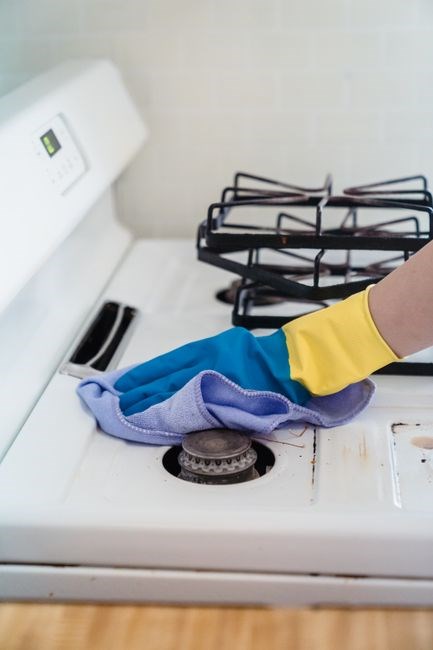
Activate the self‑clean mode by selecting “Self‑Clean” on the control panel. Choose the desired cycle—Steam or High‑Heat. The oven will heat to 450°F, vaporizing grease. After the 30‑minute cycle, it cools automatically. Open the door, wipe the interior, and replace racks. Keep the door closed during heating!!!

Choose Steam Clean Option

To activate the steam‑clean cycle on a GE Profile oven, press the “Self‑Clean” button on the digital display until the menu appears. Use the arrow keys to navigate to “Steam Clean” and confirm with the “Start” or “Enter” button. This option heats the oven to 450 °F, creating steam that loosens baked‑on residue. Make sure the oven door is securely closed and the ventilation fan is running to dissipate moisture. The cycle typically lasts 30 minutes, during which the interior temperature rises to 400 °F, turning grease into vapor. After the timer ends, the oven will automatically cool to a safe temperature before you open the door. Do not attempt to open the oven until the display indicates “Cool” or “Ready.” This ensures safety and prevents steam burns. If the oven has a “Self‑Clean” mode with multiple options, select “Steam Clean” rather than “High‑Heat” to preserve the oven’s interior surfaces. The steam method is ideal for light to moderate buildup, while the high‑heat mode is reserved for heavy, baked‑on crusts. Always follow the manufacturer’s safety guidelines and keep the area well‑ventilated during the cycle. After the cycle completes, wipe the interior with a damp cloth to remove any remaining residue before replacing the racks. For detailed instructions, consult the GE Profile owner’s manual or the online support portal, which provides step‑by‑step screenshots and troubleshooting tips. Remember to keep the oven door closed during the cycle and never leave the appliance unattended while it is heating in 5 min.

Set Self-Clean Mode

To activate the self‑clean cycle on a GE Profile oven, press the “Self‑Clean” button until the display shows the self‑clean options. Use the arrow keys to highlight “Self‑Clean” and press “Enter” or “Start.” The oven will prompt you to confirm that the racks and accessories have been removed and the door is securely closed. Once confirmed, the oven heats to 450 °F, generating steam that loosens baked‑on grease. The cycle typically lasts about 30 minutes, during which the interior temperature rises to 400 °F, turning grease into vapor. The display will show the remaining time and will automatically switch to a cool‑down mode when the cycle finishes. Do not open the door until the display indicates “Cool” or “Ready.” This prevents steam burns and ensures the oven interior is safe to touch. After the cycle, wipe the interior with a damp cloth, dry it, and replace the racks. For detailed instructions, consult the GE Profile owner’s manual or the online support portal, which provides step‑by‑step screenshots and troubleshooting tips. Remember to keep the area well‑ventilated during the cycle and never leave the appliance unattended while it is heating. The self‑clean feature uses high‑temperature steam to break down stubborn residue without harsh chemicals. After the cycle, a gentle fan circulates air to dissipate moisture, leaving the oven ready for its next use. If you notice lingering odors, run a short 10‑minute “Vent” cycle to expel steam. Always ensure the oven door latch is fully engaged before starting the cycle, as the appliance will not initiate if the latch is loose. For safety, keep pets and children away from oven during self‑clean, as interior temperatures can exceed 400 °F.!!!

Cycle Duration and Temperature

GE Profile ovens use a high‑temperature steam cycle to break down baked‑on grease. Once the self‑clean mode is activated, the oven reaches a peak temperature of 450 °F (232 °C) and maintains that heat for the duration of the cycle. The typical cycle length is 30 minutes, but it can vary slightly depending on the model and the amount of residue inside. During the first 10 minutes, the oven heats rapidly to the target temperature, creating steam that softens and lifts grime. The next 10 minutes allow the steam to penetrate the interior surfaces, while the final 10 minutes focus on evaporating the loosened grease. After the heat phase, the oven automatically switches to a cool‑down mode, during which the temperature gradually drops to 200 °F (93 °C). This cooling period lasts about 15 minutes, allowing the interior to dry and preventing condensation from forming on the walls. The entire process, from start to finish, takes roughly 45 minutes. Users should not open the door until the display indicates “Cool” or “Ready.” If the oven is left unattended, the high temperature can pose a safety risk. It is recommended to keep the kitchen well‑ventilated during the cycle, as the steam can escape through the vent hood. For models with a “Steam Clean” option, the cycle may run slightly longer, up to 40 minutes, to ensure thorough cleaning. Always consult the specific model’s manual for exact times and temperature settings, as variations exist across different GE Profile ranges. Remember to allow the oven to cool completely before touching any surfaces, ensuring safety and preventing moisture buildup.

Post-Cleaning Steps

After the self‑clean cycle, let the oven cool completely before touching any surfaces. Once cool, wipe the interior with a damp cloth to remove residual steam. Remove and wash racks separately with warm soapy water. Dry all parts, then replace racks and accessories Keep door closed

Allow Oven to Cool

After the self‑clean cycle, the oven reaches temperatures above 400 °F. For safety, wait until the interior temperature drops below 200 °F before opening the door. Use a thermometer or rely on the oven’s built‑in indicator if available. During this cooling period, keep the door closed to maintain heat distribution and prevent drafts that could cause uneven cooling. Once the oven has cooled, turn off the power or unplug the unit to ensure no residual heat remains. This step is crucial if you plan to perform a detailed wipe‑down or replace any components. If you notice any lingering steam or moisture, use a dry microfiber cloth to absorb excess dampness. After the oven is completely cool, inspect the interior for any remaining residue. A gentle wipe with a mild detergent solution can remove stubborn spots, but avoid harsh chemicals that might damage the oven’s finish. Rinse the cloth frequently to prevent spreading grime. Finally, re‑install the racks and accessories. Ensure they are positioned correctly and securely to prevent any movement during future cooking cycles. Store cleaning supplies away from the oven to avoid accidental contact with hot surfaces. If you prefer a more thorough clean, you may use a mild, non‑abrasive cleaner on the interior surfaces after the oven has cooled. Avoid using bleach or harsh acids, as they can damage the oven’s finish. After wiping, let the oven air dry completely before re‑installing racks. Keep the oven door closed during the drying period to maintain a stable temperature and prevent dust accumulation. Wipe door seals with a damp cloth for a seal .OK

Clean Interior and Racks

After the self‑clean cycle has finished and the oven has cooled, the final cleaning touches ensure a spotless interior and ready‑for‑use racks. Begin by removing all racks, pans, and any accessories that were left inside. Wash each piece separately in warm, soapy water, using a non‑abrasive sponge or cloth. Rinse thoroughly to remove soap residue and dry with a clean towel. For the oven cavity, prepare a gentle cleaning solution: mix one tablespoon of mild dish detergent with one cup of warm water, or use a baking‑soda paste (one part baking soda to two parts water). Apply the solution with a damp microfiber cloth, concentrating on areas with baked‑on grease or food splatters. Avoid abrasive pads, steel wool, or harsh chemical cleaners that could scratch the oven’s interior or damage the self‑clean coating. After wiping, rinse the cloth frequently to prevent redistributing grime; Use a fresh damp cloth to remove any detergent residue, then allow the interior to air dry completely before closing the door. If stubborn stains persist, spray a small amount of white vinegar onto the spot, let it sit for a minute, then wipe away with a clean cloth. For hard‑to‑reach corners, a soft‑bristled brush can help dislodge debris without scratching the surface. Inspect the oven’s ventilation slots and ensure they are free of blockage; a small brush or a vacuum attachment can clear any trapped crumbs. Once the interior is clean and dry, re‑install the racks and accessories, making sure they sit securely and slide smoothly. Check that the oven door closes properly and that the gasket is intact. Finally, wipe the glass door with a glass cleaner and a lint‑free cloth to restore its shine. By following these detailed steps, you keep your GE Profile oven in top condition, ready for the next cooking session.


Canada

mark meldrum cfa level 1 pdf

Mark Meldrum CFA Level 1 PDF⁚ A Comprehensive Guide

Mark Meldrum’s CFA Level 1 PDF notes are a valuable resource for candidates preparing for the CFA Level 1 exam. These notes are comprehensive and well-organized, covering all the key concepts and formulas from the CFA curriculum. They are designed to complement the CFA Institute’s official study materials, providing a more concise and focused approach to learning.

Mark Meldrum⁚ A Renowned CFA Prep Provider

Mark Meldrum, Ph.D., stands out as a prominent figure in the CFA exam preparation landscape. Holding a doctorate degree and possessing over two decades of relevant market experience, he brings a wealth of knowledge and expertise to the table. His extensive experience encompasses investing and trading across diverse asset classes, including currencies, commodities, equities, fixed income, and select alternative investments. This multifaceted background allows him to provide a comprehensive and insightful understanding of the CFA curriculum.

Dr. Meldrum’s teaching experience extends beyond the realm of CFA preparation. He has graced the faculty of several esteemed higher education institutions in both Canada and the United States, further solidifying his credentials as an accomplished educator. His dedication to financial education is evident in his commitment to providing high-quality learning materials and resources to CFA candidates.

The Value of Mark Meldrum’s Materials

Mark Meldrum’s CFA Level 1 materials are widely recognized for their effectiveness in helping candidates achieve success on the exam. They offer a comprehensive and engaging approach to learning, breaking down complex concepts into digestible chunks. Students praise his clear explanations, insightful perspectives, and practical application of financial principles. His materials are designed to complement the CFA Institute’s curriculum, providing a deeper understanding of the topics covered.

Many candidates attest to the value of Meldrum’s materials, citing their effectiveness in solidifying their understanding and building confidence. His video lectures, in particular, are highly regarded for their clear and concise explanations, making complex topics more accessible. They offer a flexible learning experience, allowing students to study at their own pace and revisit concepts as needed. The combination of video lectures, PDF notes, and practice questions provides a well-rounded approach to CFA preparation, addressing different learning styles and preferences.

Mark Meldrum’s CFA Level 1 PDF Notes

Mark Meldrum’s CFA Level 1 PDF notes are an essential component of his comprehensive study package. These notes are meticulously crafted to provide a concise and focused overview of the CFA curriculum, covering all the key concepts and formulas. They are designed to complement the CFA Institute’s official study materials, offering a more streamlined and digestible approach to learning.

The PDF notes are organized by topic, making it easy for students to navigate and find the information they need. They include clear explanations, illustrative examples, and relevant formulas, ensuring a thorough understanding of the material. Meldrum’s notes are particularly valuable for students who prefer a more structured and organized approach to learning, providing a framework for consolidating their knowledge and reinforcing key concepts.

The PDF notes are also a valuable resource for reviewing material before the exam. They can be used to quickly refresh key concepts and formulas, ensuring that students are well-prepared to tackle the challenging questions on the exam. The notes are an invaluable tool for both self-directed learners and those who are seeking a more structured and guided approach to CFA preparation.

Utilizing Mark Meldrum’s CFA Level 1 PDF Notes

Maximizing the effectiveness of Mark Meldrum’s CFA Level 1 PDF notes requires a strategic approach. It’s crucial to integrate them seamlessly with your overall study plan. Here’s a recommended approach⁚

  • Active Reading⁚ Don’t just passively read the notes. Engage with the material by highlighting key points, taking notes in the margins, and summarizing concepts in your own words. This active engagement enhances comprehension and retention.
  • Video Integration⁚ Meldrum’s PDF notes work best in conjunction with his video lectures. Watch the relevant video lecture before diving into the PDF notes. This allows you to gain a deeper understanding of the concepts and provides context for the material.
  • Practice Questions⁚ After reviewing the notes and watching the video, reinforce your understanding by working through practice questions. Meldrum’s question bank, along with the CFA Institute’s End-of-Chapter Questions, provide ample opportunities to test your knowledge and identify areas requiring further review;
  • Regular Review⁚ Regularly revisit the PDF notes to reinforce concepts and ensure retention. Schedule periodic review sessions, especially as the exam approaches. This consistent reinforcement helps solidify your understanding and reduces the risk of forgetting crucial information.

By actively engaging with the PDF notes, integrating them with video lectures, practicing with questions, and reviewing regularly, you can effectively leverage their value and optimize your CFA Level 1 preparation.


Mark Meldrum’s Approach to CFA Level 1 Preparation

Mark Meldrum’s approach to CFA Level 1 preparation is characterized by a focus on clarity, depth, and practical application. He emphasizes a comprehensive understanding of the CFA curriculum, ensuring that candidates develop a solid foundation in the core concepts and principles. His teaching style is engaging and accessible, making complex financial topics easier to grasp. Meldrum prioritizes the development of problem-solving skills, equipping candidates with the tools and techniques necessary to tackle exam-style questions confidently.

He believes in a balanced approach to preparation, encouraging candidates to use a combination of study materials, including the CFA Institute’s official curriculum, his own video lectures and PDF notes, and practice questions. He advocates for active learning, encouraging candidates to engage with the material through note-taking, highlighting key points, and summarizing concepts in their own words. Meldrum also stresses the importance of regular review and practice to solidify understanding and build confidence.

His approach is designed to help candidates not only pass the CFA Level 1 exam but also gain a valuable foundation in financial concepts that can be applied to their careers. He aims to equip candidates with the knowledge and skills they need to succeed in the challenging world of finance.

Mark Meldrum’s One-Fee-To-Pass Guarantee

Mark Meldrum’s One-Fee-To-Pass (OFTP) guarantee is a unique and valuable feature of his CFA Level 1 preparation packages. This guarantee provides candidates with peace of mind and financial security, knowing that they have a safety net in place if they don’t pass the exam on their first attempt. With the OFTP, candidates who don’t pass the CFA Level 1 exam on their first attempt are eligible to access the same package for the next exam date at no additional charge. This means they can continue to utilize all the resources and support provided by Meldrum’s program without having to pay extra.

The OFTP is a testament to Meldrum’s confidence in the effectiveness of his materials and his commitment to helping candidates succeed. It demonstrates his belief that with the right preparation and guidance, candidates can achieve their goal of passing the CFA exam. This guarantee also reflects the value he places on student success and his desire to ensure that they have every opportunity to achieve their career aspirations.

The OFTP is a powerful incentive for candidates to invest in Mark Meldrum’s CFA Level 1 preparation packages, knowing that they have a strong safety net in place. It provides a level of assurance that can be invaluable for those embarking on the challenging journey of preparing for the CFA exam.

Mark Meldrum’s CFA Level 1 Formula Sheet

Mark Meldrum’s CFA Level 1 formula sheet is an indispensable tool for candidates preparing for the exam. This comprehensive sheet condenses the key formulas and equations from the CFA curriculum into a single, easy-to-reference document. It is designed to be a valuable resource for quick revision and last-minute preparation, allowing candidates to access crucial information efficiently during their study process.

The formula sheet covers a wide range of topics, including financial accounting, corporate finance, portfolio management, and quantitative methods. It includes essential formulas for calculating financial ratios, valuing assets, determining risk and return, and making investment decisions. By providing a concise and organized compilation of key formulas, Meldrum’s sheet simplifies the process of mastering the quantitative aspects of the CFA curriculum.

Candidates can utilize the formula sheet to reinforce their understanding of the concepts and practice applying the formulas to real-world scenarios. It serves as a handy reference tool during their study sessions and can be a valuable asset during the exam itself, providing a quick and convenient way to recall critical formulas and calculations.

Mark Meldrum’s CFA Level 1 Question Bank

Mark Meldrum’s CFA Level 1 question bank is a crucial component of his comprehensive study materials. This extensive collection of practice questions is designed to solidify candidates’ understanding of the CFA curriculum and prepare them for the exam’s rigorous format. The question bank covers a wide range of topics, mirroring the structure and difficulty level of the actual CFA exam, providing candidates with valuable experience in tackling challenging questions.

Each question is carefully crafted to assess candidates’ grasp of the key concepts and their ability to apply the knowledge learned. The question bank includes a variety of question formats, such as multiple-choice, true/false, and calculation-based questions, ensuring that candidates are well-prepared for the diverse question types they will encounter on the exam. The question bank is accompanied by detailed explanations for each question, providing candidates with insights into the reasoning behind the correct answers and the underlying concepts being tested.

Candidates can use the question bank to identify their strengths and weaknesses, allowing them to focus their study efforts on areas that require more attention. By working through the practice questions, candidates can build confidence in their ability to answer challenging questions under exam conditions, ultimately enhancing their chances of success on the CFA Level 1 exam.

Mark Meldrum’s CFA Level 1 Mock Exams

Mark Meldrum’s CFA Level 1 mock exams are an essential component of his study materials, providing candidates with a realistic simulation of the actual exam experience. These mock exams are meticulously designed to mirror the format, difficulty level, and timing of the CFA exam, allowing candidates to assess their preparedness and identify areas for improvement before the actual test day.

Each mock exam comprises a full-length set of questions covering all ten topic areas of the CFA Level 1 curriculum, ensuring that candidates get a comprehensive assessment of their knowledge and understanding. The mock exams are timed to match the duration of the CFA exam, allowing candidates to practice their time management skills and develop a pacing strategy for the actual exam.

Upon completing a mock exam, candidates receive detailed answer explanations, providing insights into the reasoning behind the correct answers and the underlying concepts being tested. This feedback helps candidates identify their strengths and weaknesses, allowing them to tailor their study efforts to areas that require more attention. By working through the mock exams, candidates gain valuable experience in tackling the exam under pressure, boosting their confidence and improving their chances of success on the CFA Level 1 exam.

The Effectiveness of Mark Meldrum’s Materials

Mark Meldrum’s CFA Level 1 materials have consistently received positive reviews from CFA candidates, with many attributing their success on the exam to his comprehensive and engaging approach. His video lectures and PDF notes are widely praised for their clarity, depth, and relevance to the CFA curriculum. Candidates appreciate his ability to break down complex concepts into easily digestible explanations, making the learning process more manageable and enjoyable.

The effectiveness of Mark Meldrum’s materials stems from his deep understanding of the CFA exam and his commitment to providing candidates with the tools they need to succeed. His materials are designed to complement the official CFA Institute study materials, offering a more focused and practical approach to learning. His question bank and mock exams provide ample practice opportunities, allowing candidates to test their knowledge and identify areas for improvement.

Many candidates report finding Mark Meldrum’s materials to be particularly helpful for understanding the nuances of the CFA curriculum and for developing a strong foundation in key concepts. His approach emphasizes both theoretical understanding and practical application, equipping candidates with the skills they need to confidently navigate the exam and succeed in their career aspirations.

Mark Meldrum’s CFA Level 1 Study Strategy

Mark Meldrum advocates a structured and efficient study strategy for CFA Level 1 preparation, emphasizing a balanced approach that combines both theoretical understanding and practical application. His strategy encourages candidates to start early and allocate sufficient time for each topic, allowing for thorough comprehension and review. He recommends breaking down the curriculum into manageable chunks, focusing on one topic at a time and consistently reinforcing learning through practice questions and mock exams.

Meldrum emphasizes the importance of actively engaging with the material, rather than simply passively reading through it. He encourages candidates to watch his video lectures and take detailed notes, using his PDF notes as a valuable supplement. He stresses the significance of understanding the underlying concepts behind each topic, rather than simply memorizing formulas. This approach helps candidates develop a deeper understanding of the material and improves their ability to apply concepts to real-world situations.

Mark Meldrum’s study strategy emphasizes the importance of regular review and practice. He recommends setting aside dedicated time for reviewing previously learned material, completing practice questions, and taking mock exams. This iterative process helps candidates solidify their understanding of the curriculum and build confidence for the actual exam. His strategy ultimately aims to equip candidates with the knowledge, skills, and confidence to confidently navigate the CFA Level 1 exam and achieve their desired results.

Mark Meldrum’s CFA Level 1 Resources

Mark Meldrum offers a comprehensive suite of resources designed to support candidates throughout their CFA Level 1 preparation journey. His materials go beyond traditional study guides, providing a multifaceted approach that addresses various learning styles and preferences. At the core of his resources are his video lectures, which cover every aspect of the CFA Level 1 curriculum in a clear and engaging manner. These videos are complemented by his detailed PDF notes, which serve as a concise and organized summary of the key concepts and formulas discussed in the lectures.

In addition to his video lectures and PDF notes, Mark Meldrum provides a wealth of supplementary materials to enhance the learning experience. These include practice questions, mock exams, and a comprehensive formula sheet. The practice questions are designed to test candidates’ understanding of the concepts and their ability to apply them in different scenarios. The mock exams simulate the real exam experience, allowing candidates to assess their preparedness and identify areas for improvement.

Mark Meldrum’s formula sheet is a valuable resource for candidates preparing for the CFA Level 1 exam. It provides a concise and organized summary of all the key formulas covered in the curriculum. The formula sheet is designed to help candidates quickly and easily access the information they need during the exam. Mark Meldrum’s comprehensive resources provide candidates with a structured and supportive learning environment that empowers them to succeed in the CFA Level 1 exam.

PreviousNext

You Want To Have Your Favorite Car?

We have a big list of modern & classic cars in both used and new categories.