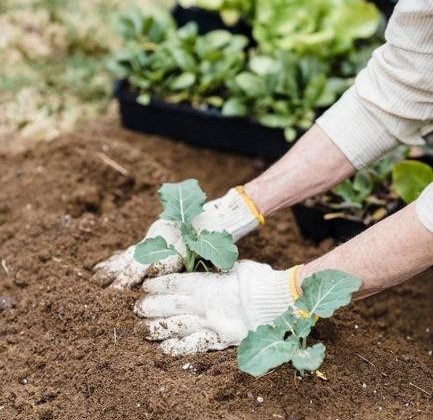
planting guide for zone 6a
Understanding Zone 6a
Zone 6a, common in mid‑Atlantic states, enjoys a frost‑free window from late March to early November. Average last frost falls mid‑April, first frost early November. Soil ranges from loamy to clayey; amend with compost for drainage. This guide aligns planting with those dates. USDA dates guide. now!?
Climate and Frost Dates
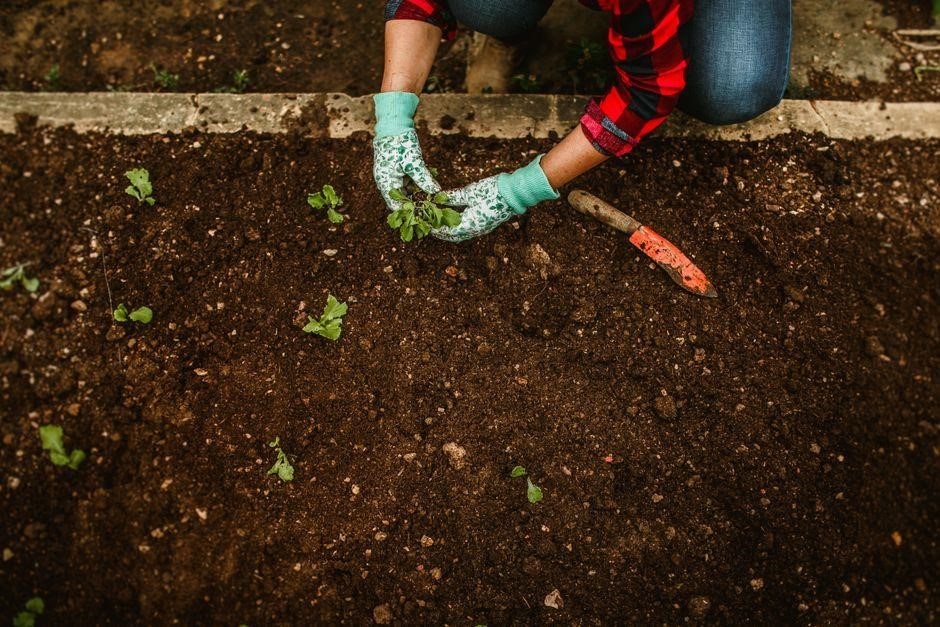
Zone 6a’s climate is moderate continental, with average highs from the low 40s°F (≈4 °C) in early spring to the mid‑80s°F (≈29 °C) during peak summer. Annual precipitation averages 38–41 inches (≈970–1040 mm), evenly spread, though late‑spring showers can be intense. Well‑drained loam or sandy loam soils support diverse crops.
Frost dates dictate planting. USDA maps place Zone 6a’s average last frost around March 25 – April 15, most gardens ending freezes by the second week of April. First frost falls early November to mid‑November, giving a frost‑free span of ~240–260 days. Gardeners use a 7–10 day buffer after the last freeze before transplanting, and a 7‑day lead before the first freeze to protect early crops.
Microclimates—south‑facing walls, raised beds, water bodies—can extend the season by a week or two. Shaded or poorly drained spots may frost earlier. Monitoring local forecasts and using frost alarms helps mitigate surprises. Aligning planting with these windows maximizes yield and reduces loss.
Soil Types and Amendments
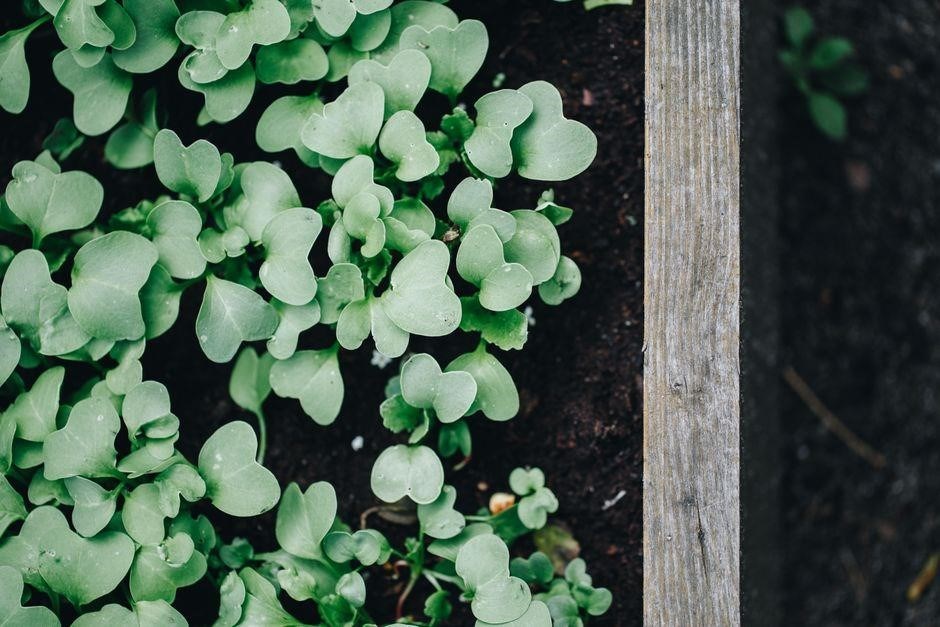
Zone 6a soils vary from loamy to clayey, often featuring a natural loam layer over a clay subsoil. The loam’s balanced sand, silt, and clay fractions provide good drainage and moisture retention, ideal for most vegetables. Clay soils, while fertile, can become compacted and water‑logged during spring rains, hindering root growth.
Before planting, test soil pH; Zone 6a typically ranges 6.0–6.8. Most crops prefer slightly acidic to neutral conditions. If pH falls below 6.0, add agricultural lime (1–2 lb per 100 sq ft) after the first frost to raise pH. If above 7.0, incorporate elemental sulfur (1–2 lb per 100 sq ft) to lower pH.
Organic amendments improve structure and fertility. Incorporate 2–3 inches of well‑rotted compost or aged manure into the top 12–18 inches before the first frost. For heavy clay beds, add 4–6 inches of coarse sand or perlite to enhance aeration. Mulching with straw or shredded leaves conserves moisture, suppresses weeds, and adds organic matter as it breaks down.
For raised beds, mix 60 % topsoil, 30 % compost, and 10 % coarse sand. This blend yields a light, fertile medium that warms quickly in spring, allowing earlier transplanting. Regular side‑dressing with balanced NPK fertilizer (e.g., 10‑10‑10) every 4–6 weeks supports steady growth.
Finally, monitor drainage by performing a “spoon test”: press a spoon into the soil; if water pools for >30 s, the soil is too dense. Adjust with more sand or compost until the test passes. Proper soil preparation sets the foundation for a productive Zone 6a garden.
Common amendments include:
- Compost – 2–3 inches topsoil; improves texture and nutrient content.
- Aged manure – 1–2 inches; supplies nitrogen and organic matter.
- Peat moss – 1–2 inches; increases water retention in sandy soils.
- Worm castings – 1–2 inches; high in micronutrients and beneficial microbes.
- Gypsum – 1–2 lb per 100 sq ft; breaks up compacted clay and improves drainage.
- Dolomitic lime – 1–2 lb per 100 sq ft; raises pH and supplies calcium and magnesium.
Seasonal Planting Calendar
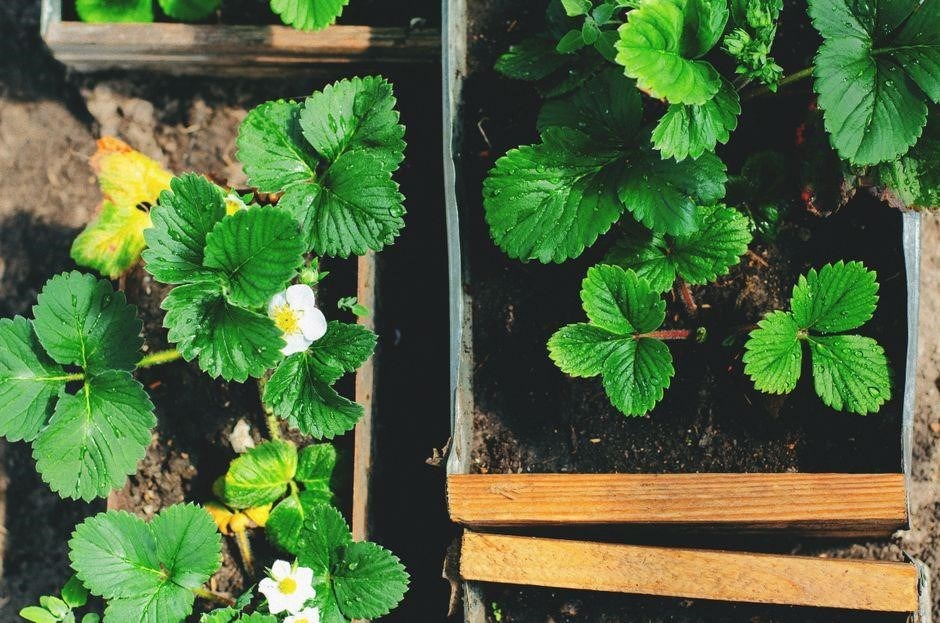
In Zone 6a, start seeds indoors 4–6 weeks before last frost (mid‑April). Transplant after frost risk passes, early May. Stagger crops every 2–3 weeks. Late summer, plant cover crops like clover before first frost. Harvest cool‑season veggies before November. soon,!!
Early Spring: Seed Starting
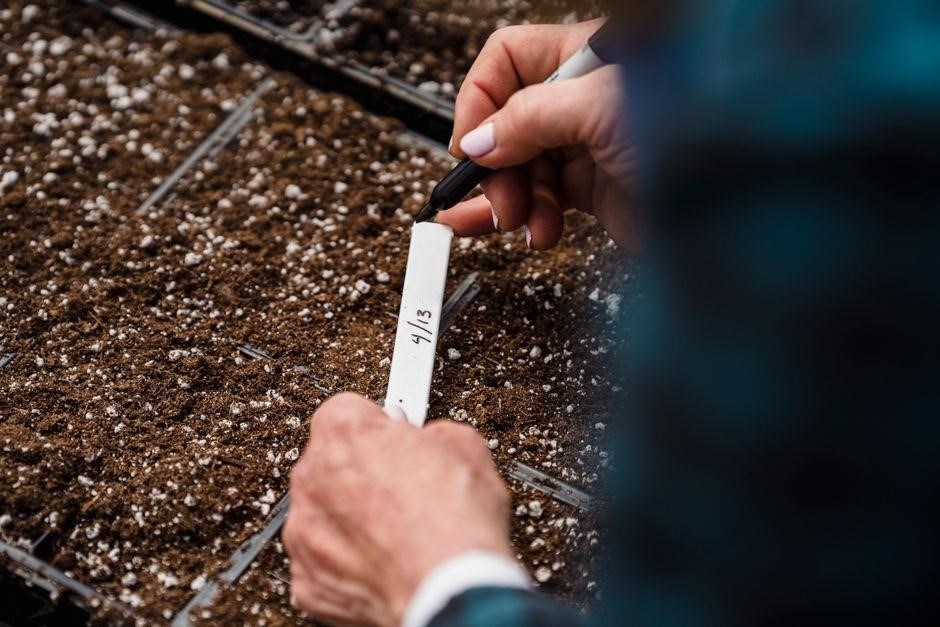
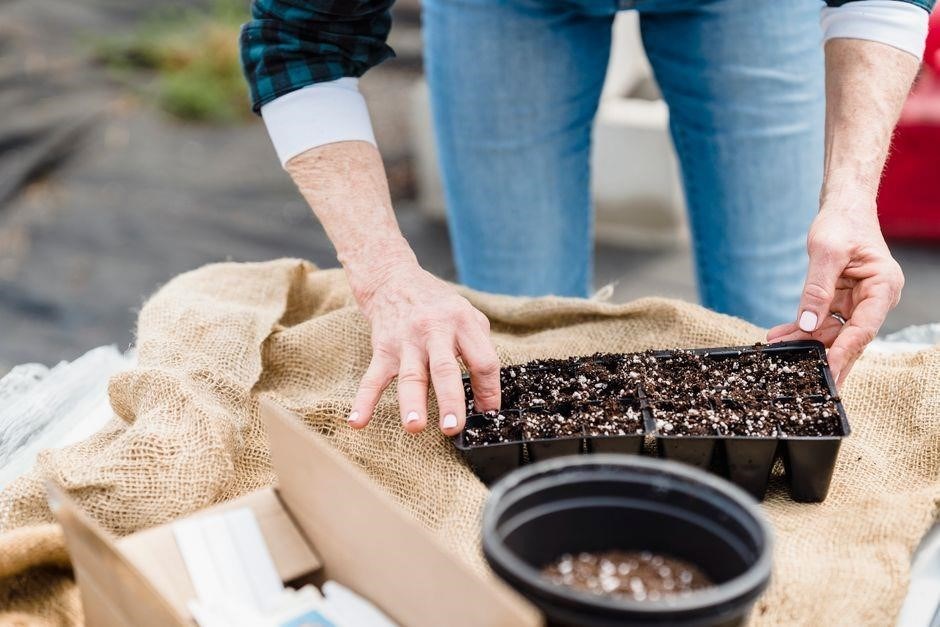
In Zone 6a, the optimal window for seed starting begins about 4–6 weeks before the average last frost, typically mid‑April. Use a light seed‑starting mix, keep trays at 70–75 °F, and provide 12–14 h of light. Harden seedlings 7–10 days before transplanting. Choose cool‑season crops—lettuce, spinach, peas, broccoli, cauliflower, carrots, radishes, onions, and garlic—to begin indoors. For warm‑season crops—tomatoes, peppers, eggplant, cucumbers, squash, beans, and melons—start seeds in late March or early April, ensuring a 6‑week lead time. Maintain humidity with a clear cover, and avoid overwatering. Use a timer or grow lights to simulate daylight. Once seedlings reach 2–3 inches tall and have 2–3 true leaves, they’re ready for hardening. Gradually expose them to outdoor conditions over a week, increasing light exposure each day. This acclimation reduces transplant shock. After hardening, transplant seedlings into prepared beds or containers when temperatures consistently stay above 50 °F, usually in early May. Follow spacing guidelines: 12–18 inches for tomatoes, 6–8 inches for peppers, 2–3 inches for lettuce, etc. Monitor soil moisture, keep the beds weed‑free, and apply a balanced fertilizer at transplant. This early spring strategy maximizes yield and sets the stage for a productive season. Additionally, consider companion planting to deter pests naturally. Mulch around seedlings to retain moisture and suppress weeds. Rotate crops yearly to maintain soil health. Keep a list of successful varieties for reference. Share your findings with growers for community.
Late Spring: Transplanting
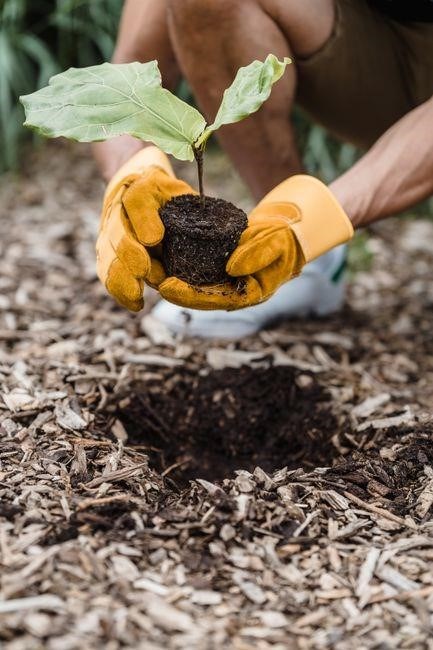
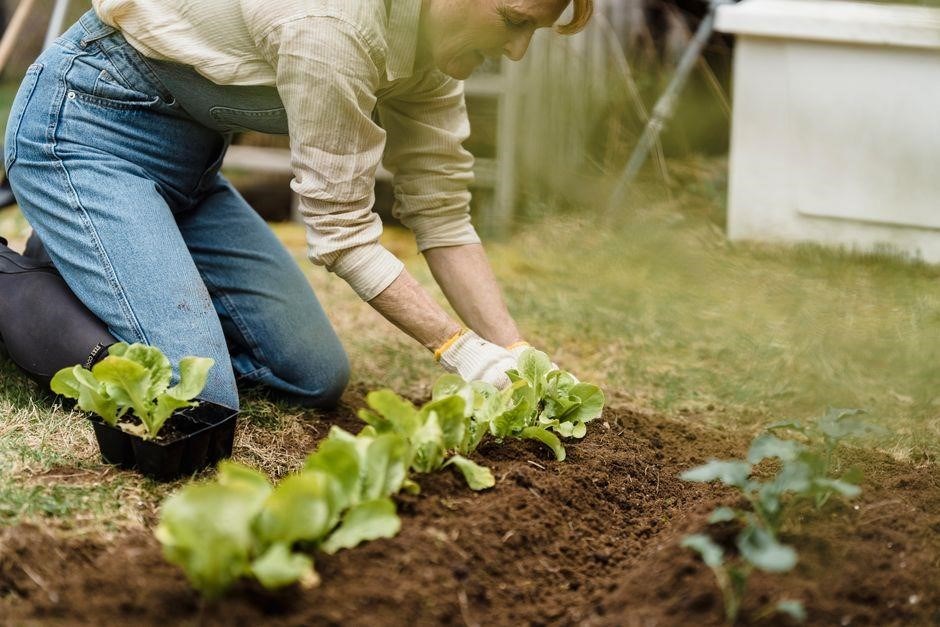
Once the danger of frost has passed—usually the first week of May in Zone 6a—transplant seedlings into the garden. Prepare beds with a 2‑inch layer of composted manure or well‑rotted compost to boost fertility and improve drainage. Space crops according to their mature size: tomatoes 18–24 inches apart, peppers 12–18 inches, beans 4–6 inches, lettuce 6–8 inches, and root crops 3–4 inches. Use a gentle watering technique: a soaker hose or drip line delivers moisture directly to the root zone, reducing leaf wetness and disease risk. Harden seedlings by exposing them to outdoor conditions for 7–10 days before transplanting; this acclimates them to wind, sun, and temperature fluctuations. When transplanting, dig a hole twice the width of the root ball, gently loosen roots, and place the plant so the crown sits at soil level. Backfill, firm lightly, and water thoroughly. Mulch with straw or shredded leaves to conserve moisture, suppress weeds, and regulate soil temperature. Apply a balanced, slow‑release fertilizer at planting time to support early growth. Monitor for pests such as aphids, whiteflies, and tomato hornworms; use row covers or organic insecticidal soap as needed. Keep a planting diary to track dates and varieties, aiding future planning. Regularly check soil moisture; aim for a consistent 50–60 % field capacity. This systematic approach ensures healthy establishment and sets the stage for a bountiful harvest. Enjoy the processand share harvest stories with neighbors for inspiration all.
Summer: Succession Planting
In Zone 6a, the warm season offers a prime window for succession planting, ensuring a continuous harvest from early July through late September. Begin by selecting quick‑growing, heat‑tolerant varieties: early‑maturing lettuce (30–45 days), spinach (35–45 days), arugula (20–30 days), and summer squash (45–55 days). Sow seeds in 2‑inch rows, spacing 6–8 inches apart, and thin to the recommended spacing after germination. Every 10–14 days, replace the harvested crop with a new seedling, maintaining a staggered schedule. Use a drip irrigation system or soaker hoses to deliver 1–1.5 inches of water per week, keeping the soil consistently moist but not waterlogged. Mulch with straw or shredded leaves to reduce evaporation, suppress weeds, and keep soil temperatures stable. Apply a balanced fertilizer at the first transplant, then a light side dressing of compost or a nitrogen‑rich feed when plants reach the 4‑inch stage. Monitor for pests such as squash bugs, aphids, and cucumber beetles; employ row covers, neem oil, or beneficial insects like ladybugs and lacewings. Harvest leaves or fruit when they reach market size, but leave a few to allow the plant to continue producing. Record each planting date and variety to refine future schedules. By timing successive plantings, you maximize yield, reduce labor peaks, and keep the garden vibrant throughout the summer.
Tip: For extra yield, interplant with herbs like basil or mint; they deter pests and enhance flavor. Also, consider using raised beds to improve drainage and heat retention, especially for heat‑sensitive crops. Finally, keep a log of weather conditions to adjust watering schedules during heatwaves. Remember to rotate crops each season to prevent soil depletion and disease buildup; follow a rotation chart that alternates legumes, root crops, and leafy greens.
Fall: Cover Crops
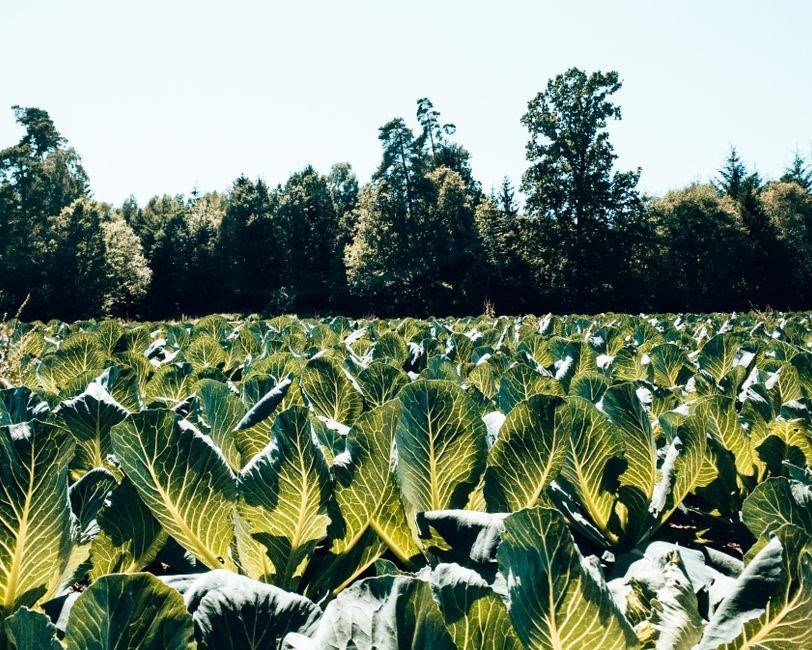
In Zone 6a, the fall season is ideal for establishing cover crops that protect soil, suppress weeds add matter before next planting cycle. Plant a mix of legumes such as crimson clover or hairy vetch to fix nitrogen, and a hardy grass like rye or oats to break up compacted layers and prevent erosion. Sow seeds in late September or early October, after the last warm‑weather crops are harvested. Use a seed drill or broadcast method, then lightly rake to ensure good seed‑soil contact. Maintain a 2‑inch seed depth for clover and 1‑inch for rye. Water lightly on the first day, then keep the soil moist until the cover crops establish, usually within 10–14 days. During the growing period, monitor for pests like cutworms; apply a safe, organic insecticide if necessary. As the first frost approaches, cut the cover crops to ground level, leaving a thin mulch layer. This process improves soil structure, reduces erosion, and adds organic matter that will benefit spring crops.
For regions with cooler autumns, consider adding a second cover crop layer of winter rye to further protect the soil during the cold months. This dual‑layer approach not only maximizes nitrogen capture but also creates a living mulch that suppresses weed emergence in early spring. Additionally, rotating cover crops yearly—switching between legumes, grasses, and brassicas—helps break pest cycles and diversify root exudates, enhancing microbial diversity. Finally, after incorporating the cover crop residue, apply a thin layer of compost or well manure to boost fertility before planting spring crops. These practices collectively build resilient soil that supports higher yields and reduces the need for synthetic inputs.
Crop Selection
Choose crops that thrive in Zone 6a’s 8-month growing season. Cool‑season greens, root veggies, and brassicas fit early spring; warm‑season tomatoes, peppers, cucumbers, and beans suit warm‑season to early fall. Add herbs, perennials, and fruit trees for year‑round yield. berries!!
Cool-Season Vegetables
Zone 6a’s cool‑season window spans late February to early May and again late August to early October. Start seeds indoors 4–6 weeks before the last frost (mid‑March) for lettuce, spinach, Swiss chard, kale, broccoli, cauliflower, cabbage, Brussels sprouts, peas, and radishes. Transplant outdoors after the danger of frost has passed, typically mid‑April, spacing lettuce 6–8 inches, broccoli 18–24 inches, and peas 2 inches apart. For the second crop, sow directly in late August; these plants tolerate cooler temperatures and benefit from shorter days, reducing heat stress. Prepare beds with well‑drained loam amended with compost or aged manure to improve structure and fertility. Maintain soil pH 6.0–6.8 for optimal nutrient uptake. Apply a balanced 10‑10‑10 fertilizer at transplanting and side‑dress with nitrogen when foliage begins to fill. Rotate crops each year to break disease cycles; never plant the same family in the same spot for two consecutive seasons. Harvest when leaves are tender and before the first frost, usually by mid‑October; early harvest preserves flavor and reduces the risk of frost damage. Use a cold frame or greenhouse to extend the season further if desired. Use companion plants like dill to deter pests. Water regularly during dry spells. Mulch with straw to stabilize soil. Record observations for future planning. With careful timing, proper spacing, and good management, cool‑season vegetables can yield abundant, nutritious harvests throughout the year in Zone 6a.
Warm-Season Vegetables
Zone 6a’s warm‑season window opens after the last frost, typically mid‑April, and closes before the first frost in early November. Ideal crops include tomatoes, peppers, eggplants, cucumbers, squash, melons, beans, and corn. Start seeds indoors 4–6 weeks before the last frost, transplanting seedlings outdoors when soil temperatures reach 60 °F (15 °C). Use a 1‑inch mulch band to keep soil warm and reduce weed competition. Space tomatoes 24–36 inches apart, peppers 18–24 inches, cucumbers 3–4 inches on trellises, and beans 2 inches apart. Apply a balanced 10‑10‑10 fertilizer at transplanting and side‑dress with nitrogen every 3–4 weeks. Maintain consistent moisture; avoid waterlogging. Rotate crops to prevent soil‑borne diseases; never plant the same family in the same spot for consecutive seasons. Harvest tomatoes when skins are firm and color deepens, peppers when they reach full color, cucumbers when 6–8 inches long, squash when 6–8 inches for summer types, and beans when pods are firm. Use a cold frame or shade cloth to protect early crops from late frosts. Record yields to refine future planning. With proper timing, spacing, and care, warm‑season vegetables can thrive and provide abundant harvests throughout the growing season in Zone 6a. For extra yield, consider intercropping lettuce or radishes with taller crops; their shallow roots will not compete for deep soil moisture. Also mulch with straw or shredded leaves to suppress weeds and retain soil temperature. Finally monitor pests and apply organic controls promptly!!! now! Keep growing!!!
Herbs and Perennials
In Zone 6a, herb and perennial selection hinges on a frost‑free period that begins mid‑April and ends early November. Plant hardy perennials such as lavender, rosemary, thyme, and oregano, they establish best when seeded or divided in late spring, after soil warms to 60 °F (15 °C). For tender herbs like basil, cilantro, dill, and parsley, start indoors 4–6 weeks before the last frost, transplanting outdoors when temperatures consistently stay above 50 °F (10 °C). Use a 2‑inch mulch layer to conserve moisture and suppress weeds, and apply a balanced 5‑10‑10 fertilizer at transplanting. Space perennials 12–18 inches apart to allow mature canopy spread; herbs need 8–12 inches spacing to prevent overcrowding. Incorporate companion planting: intersperse basil with tomatoes to deter pests, and plant dill near carrots to attract beneficial insects. Harvest herbs by cutting leaves just above a node; this encourages bushier growth. For perennials, prune after flowering to maintain shape and vigor. Mulch with shredded leaves or straw to keep soil cool in summer and warm in fall. Monitor for pests such as aphids and spider mites; use neem oil or insecticidal soap as needed. Harvesting times vary: basil leaves are ready when the plant is 6–8 inches tall, while rosemary can be trimmed once it reaches 12 inches. Store dried herbs in airtight containers away from light; fresh herbs should be used within a week or frozen for longer preservation; By aligning planting dates with the zone’s climate, using proper spacing, and maintaining consistent care, gardeners can enjoy a vibrant, productive herb and perennial garden throughout the growing season in Zone 6a. now! keep growing!!!
Zone 6a herb garden thrives with proper planting and care!!!
Fruit Trees and Bushes
Zone 6a offers a frost‑free window from mid‑April to early November, ideal for a diverse range of fruit trees and shrubs. Begin planting in late winter or early spring, before the last frost, to give roots time to establish. Choose dwarf or semi‑dwarf varieties that thrive in 6a: apple (e.g., ‘Honeycrisp’, ‘Gala’), pear (e.g., ‘Bartlett’, ‘D’Anjou’), peach (e.g., ‘Redhaven’, ‘Elberta’), plum (e.g., ‘Methley’, ‘Santa Rosa’), and cherry (e.g., ‘Stella’, ‘Bing’). For bushes, select blueberries (e.g., ‘Bluecrop’, ‘Duke’), raspberries (e.g., ‘Heritage’, ‘Autumn Bliss’), currants (e.g., ‘Bristol’, ‘Red Lake’), and blackberries (e.g., ‘Triple Crown’, ‘Triple Crown’). Plant trees in well‑drained soil, slightly acidic (pH 5.5‑6.5), and amend with compost or aged manure to improve structure. Space trees 15‑25 ft apart; shrubs 3‑5 ft. Mulch with 2‑inch organic material to retain moisture and suppress weeds. Water deeply during establishment, then reduce frequency as roots mature. Prune in late winter to shape canopy, remove deadwood, and promote fruiting. Fertilize in early spring with a balanced 10‑10‑10 or specialized fruit tree fertilizer, following label rates. Monitor for pests such as aphids, scale, and fungal issues; apply organic controls like neem oil or horticultural soap. Harvest fruit when fully ripe: apples in late summer, pears in early fall, peaches in mid‑summer, and currants in early fall. Store apples and pears in cool, humid conditions; berries can be refrigerated or frozen. With proper planting timing and spacing, a 6a orch or shrubbery can yield abundant, flavorful harvests year after year.
Harvesting and Storage
Harvest timing aligns with fruit maturity: apples in late summer, pears in early fall, berries in mid‑summer. Store apples and pears in cool, humid rooms; refrigerate berries. Use airtight containers for root crops, and dry herbs in a cool, dark place. Keep cool, dry!!!!!!
Harvest Timing
In Zone 6a, the harvest window is dictated by the frost‑free period, which typically spans from the last frost in mid‑April to the first frost in early November. Timing each crop’s peak maturity ensures maximum flavor and storage life. Below is a concise calendar for common vegetables, fruits, and herbs.
- Apples: Harvest from August through September.
- Pears: Pick in late September to early October.
- Berries (strawberries, blueberries, raspberries): Begin mid‑June and continue through August; berries should be colored.
- Root crops (carrots, beets, turnips): Harvest from late July to early September; roots should be mature yet tender.
- Tomatoes: Pick from late July to early September; fruit should be fully colored and slightly soft.
- Peppers: Harvest from late July to early September; peppers should be firm and brightly colored.
- Cucumbers: Pick from mid‑June to early August; cucumbers are best when crisp and green.
- Squash (summer and winter varieties): Summer squash from late June to early August; winter squash from late August to early October.
- Lettuce and leafy greens: Harvest from early May to early July; leaves should be tender and crisp.
- Herbs (basil, parsley, cilantro): Harvest continuously from late May onward; cut just above a leaf node to encourage regrowth.
Always check individual varieties, as maturity can vary by cultivar. Harvest at the peak of ripeness, and store in cool, dry conditions to extend shelf life.
Storage Methods
In Zone 6a, the post‑harvest period is short enough that most produce should be consumed within weeks, yet proper storage can extend freshness. Below are proven techniques tailored to the region’s climate and typical produce.
- Root vegetables: Carrots, beets, turnips, and parsnips thrive in a cool, humid environment. Store them in perforated plastic bags in the refrigerator’s crisper drawer at 32–36 °F (0–2 °C). They remain crisp for 4–6 weeks.
- Leafy greens: Keep lettuce, spinach, kale, and Swiss chard in a plastic bag with a paper towel to absorb moisture. Store in the crisper at 35–38 °F (1–3 °C) for up to 10 days.
- Tomatoes: Best stored at room temperature, away from direct sunlight. If you must refrigerate, let them return to room temperature before eating to restore flavor.
- Peppers and cucumbers: Store in the crisper at 45–50 °F (7–10 °C). They stay firm for 7–10 days.
- Apples and pears: Place in a cool, dry area at 30–32 °F (‑1 to 0 °C) with high humidity. They can last 3–6 months.
- Berries: Rinse gently, pat dry, and store in a shallow container with a paper towel. Keep in the refrigerator; consume within 3–5 days.
- Herbs: Treat basil like a bouquet: trim stems, place in water, cover loosely with a plastic bag, and refrigerate. Parsley and cilantro can be wrapped in a damp paper towel and stored in the crisper.
- Root crops (potatoes, onions, garlic): Store in a dark, well‑ventilated area at 45–50 °F (7–10 °C). Keep away from light to prevent greening.
- Winter squash: Keep in a cool, dry place at 50–55 °F (10–13 °C). Properly cured squash can last 4–6 months.
For long‑term preservation, consider canning, freezing, or dehydrating. Freeze tomatoes, peppers, and berries at 0 °F (‑18 °C) in airtight containers; thaw in the refrigerator; consume within 3–5 days. Canning apples, peaches, and tomatoes follows standard USDA guidelines. Dehydrated herbs and vegetables can be stored in airtight jars for up to a year.